
Author: The Officel Editorial Team

  • What to Wear to a Networking Event: Professional Outfit Guide

    What to Wear to a Networking Event: Professional Outfit Guide

    Networking events are a career opportunity disguised as a social gathering. What you wear matters – your outfit signals professionalism, approachability, and how seriously you take your career. Here is a practical guide to choosing the right outfit for any professional networking event.

    What Does “Networking Event Attire” Actually Mean?

    Man in a patterned tuxedo talks to a woman. — What to Wear to a Networking Event: Professional Outfit Guide
    Photo by Filip Rankovic Grobgaard on Unsplash

    Networking event attire sits between business casual and business professional. It is polished enough to look serious about your career, but not so formal that you appear unapproachable. The goal is to look like someone worth connecting with – competent, confident, and memorable for the right reasons.

    The General Rule: Dress One Level Up

    A reliable approach is to dress one level above what attendees are likely to wear. For most industry mixers and professional association events, this means:

    • Women: Tailored blazer + trousers or a structured midi dress in neutral or muted tones
    • Men: Sport coat or blazer, dress shirt (no tie required), and dark chinos or trousers

    Avoid anything with distracting graphics, very casual fabrics (jersey, athleisure), or shoes that communicate “weekend.”

    By Event Type: What to Wear

    Industry Mixer or Happy Hour

    Smart casual is appropriate here. Women can wear a blouse with tailored trousers or a polished wrap dress. Men do well with a neat button-down shirt and dark jeans or chinos. Keep footwear clean and closed-toe for women; loafers or clean leather shoes for men.

    Conference or Professional Association Event

    Step up to business casual or business professional. A well-fitted blazer goes a long way. For women, a structured blazer over a solid blouse and tailored trousers signals that you mean business. Men should opt for a full blazer-trousers combination, with or without a tie depending on the industry.

    Formal Career Fair or Executive Networking Event

    Wear business professional. Women: a pantsuit, skirt suit, or tailored dress in black, navy, or charcoal. Men: a full suit with dress shirt and tie. Polished shoes are non-negotiable. For a deeper look at formal business attire, see our guide on the Office Dress Codes Explained: The Complete 2026 Guide.

    5 Networking Outfit Mistakes to Avoid

    1. Overdressing to the point of rigidity: A full suit at a startup networking happy hour will make you stand out awkwardly. Read the event description for cues.
    2. Underdressing because it feels casual: Even relaxed networking events reward a polished look. You are still being evaluated.
    3. Uncomfortable shoes: You will be standing for hours. Wear shoes you can move in confidently.
    4. Clothes that restrict movement: Shaking hands, leaning in, carrying a drink – your outfit needs to allow natural movement.
    5. Forgetting about fit: A well-fitted outfit in modest fabric will always beat an expensive suit that does not fit properly.

    Quick Outfit Formulas by Gender

    Women: Smart Professional Networking Look

    • Fitted blazer (navy, camel, or black) over a silk or structured blouse
    • Tailored trousers or a midi pencil skirt
    • Block heel or pointed-toe flat for comfort and polish
    • A structured tote or crossbody bag
    • Minimal jewelry – one statement piece maximum

    Men: Business Casual Networking Look

    • Solid-color blazer or sport coat in navy, grey, or tan
    • Crisp dress shirt or smart polo (no tie needed for most events)
    • Dark chinos or dress trousers – no jeans unless the event is very casual
    • Clean leather loafers, oxfords, or derby shoes
    • No athletic sneakers

    What Industry Are You In?

    Dress code expectations vary significantly by field. Finance and law skew formal; tech and creative industries tend toward smart casual. If you are networking across industries, default to the more formal option – it is easier to appear approachable than to recover from looking underprepared. For industry-specific guidance, the Office Dress Code by Industry: What to Wear in Finance, Tech, Law, and More breaks down expectations across 10 major fields.

    The Color Question

    For networking, neutral and muted tones are reliable: navy, black, charcoal, ivory, camel. These read as professional and approachable. Avoid very bold prints or highly saturated colors unless they are part of your established personal brand. One strategic pop of color – a scarf, pocket square, or blouse – can make you more memorable without being distracting.

    Final Checklist Before You Leave

    • Are your clothes pressed and lint-free?
    • Are your shoes clean and not scuffed?
    • Does your outfit allow you to shake hands and move naturally?
    • Do you have business cards or a phone ready for contact exchange?
    • Have you checked the event dress code (if stated)?

    A networking event is not just about exchanging cards – it is about being remembered. Dressing with intentionality shows you understand professional norms and that you take the opportunity seriously. When your outfit is right, you can focus entirely on the conversation.

    Related OfficeL guide: Casual Friday Outfit Ideas: What to Wear on Dress-Down Day

    Next step: Want more business casual inspiration? Browse our complete workwear collection for daily office outfit ideas.

    Shop the Look

    Looking for dresses, footwear and bottoms? Here are our top picks for the office:

    We may earn a commission from purchases made through these links at no extra cost to you. This helps us keep The Officel free.

    Get the Free Office Dress Code Cheat Sheet

    Join our newsletter and get a printable guide to every office dress code – from business formal to casual Friday.
    Download the Free Guide →


    You Might Also Like

  • Smart Casual Dress Code: What It Means and How to Dress

    Smart Casual Dress Code: What It Means and How to Dress

    Key takeaways for Smart Casual Dress Code: What It Means and How to Dress

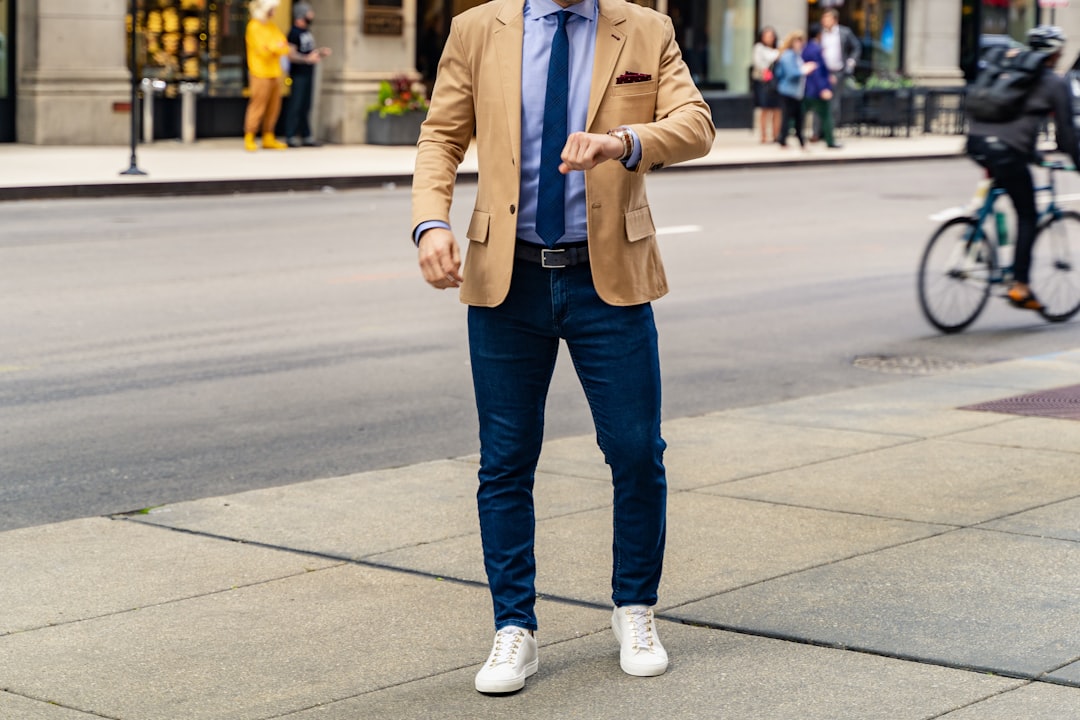
    person in blue denim jeans and brown coat standing on sidewalk during daytime — Smart Casual Dress Code: What It Means and How to Dress
    Photo by Benjamin R. on Unsplash

    Quick answer: This guide explains smart casual dress code: what it means and how to dress in plain language, with practical examples and clear next steps.

    Smart casual is a dress code that sits between business casual and fully casual. It means looking put-together and stylish without wearing formal business attire. Smart casual allows for more personality and fashion-forward choices while still appearing appropriate for professional or semi-formal settings.

    Practical next steps

    Smart Casual vs Business Casual: What’s the Difference?

    Business casual prioritizes looking professional and appropriate for a traditional office. Smart casual prioritizes looking stylish and polished in a more relaxed setting. The key difference: smart casual allows for more personality expression and fashion-forward pieces, while business casual maintains a more conservative, office-appropriate standard. See our complete breakdown of Office Dress Codes Explained: The Complete 2026 Guide to understand where each falls.

    What to Wear for a Smart Casual Dress Code

    Smart casual gives you more flexibility than business casual. Here are approved combinations:

    • Tops: Button-down shirts (no tie needed), polo shirts, clean crew-neck jumpers, tailored blouses
    • Bottoms: Chinos, dark-wash slim jeans, tailored trousers, knee-length skirts
    • Shoes: Clean leather loafers, Chelsea boots, simple white sneakers, block-heeled sandals
    • Outerwear: Blazers, structured cardigans, leather jackets (classic styles)
    • Avoid: Athletic wear, flip flops, graphic tees with slogans, overly ripped jeans

    Smart Casual for Women

    Women have the most flexibility in smart casual environments. A midi skirt with a tucked blouse and ankle boots reads as smart casual. So does a well-fitted blazer over a graphic tee with tailored trousers. Wide-leg trousers with a fitted top, or a wrap dress with block heels – all appropriate. The principle: one polished piece elevates the entire outfit.

    Smart Casual for Men

    For men, smart casual typically means chinos or dark jeans, a collared shirt or clean knit, and leather shoes or clean minimal sneakers. A blazer transforms almost any outfit into smart casual territory. Avoid ties in smart casual – they push the look toward business casual. A Can You Wear a Polo Shirt to Work? The Business Casual Guide works well in smart casual environments paired with chinos and loafers.

    When Smart Casual Is Required

    Smart casual is common at: tech company offices, casual Friday in corporate environments, client-facing startups, restaurant dinners, gallery openings, wedding receptions (unless specified otherwise), and professional networking events. When in doubt, a blazer over otherwise casual clothes almost always brings an outfit into smart casual territory.

    Frequently Asked Questions About Smart Casual

    Related OfficeL guide: Men’s Work Wardrobe on a Budget: How to Dress Professionally Without Spending a Lot

    Next step: Want more business casual inspiration? Browse our complete workwear collection for daily office outfit ideas.

    Shop the Look

    Looking for dresses, footwear and outerwear? Here are our top picks for the office:

    We may earn a commission from purchases made through these links at no extra cost to you. This helps us keep The Officel free.

    Get the Free Office Dress Code Cheat Sheet

    Join our newsletter and get a printable guide to every office dress code – from business formal to casual Friday.

    Download the Free Guide →


    You Might Also Like

  • Office Dress Code Statistics: Key Facts and Data 2026

    Office Dress Code Statistics: Key Facts and Data 2026

    Quick answer: This guide explains office dress code statistics: key facts and data 2026 in plain language, with practical examples and clear next steps.

    What does research say about office dress codes and professional attire? This page compiles key statistics and data points from workplace research, employment surveys, and business studies on professional dress standards. These figures are regularly cited by HR professionals, career coaches, and researchers.

    What Do Workplace Dress Code Statistics Reveal?

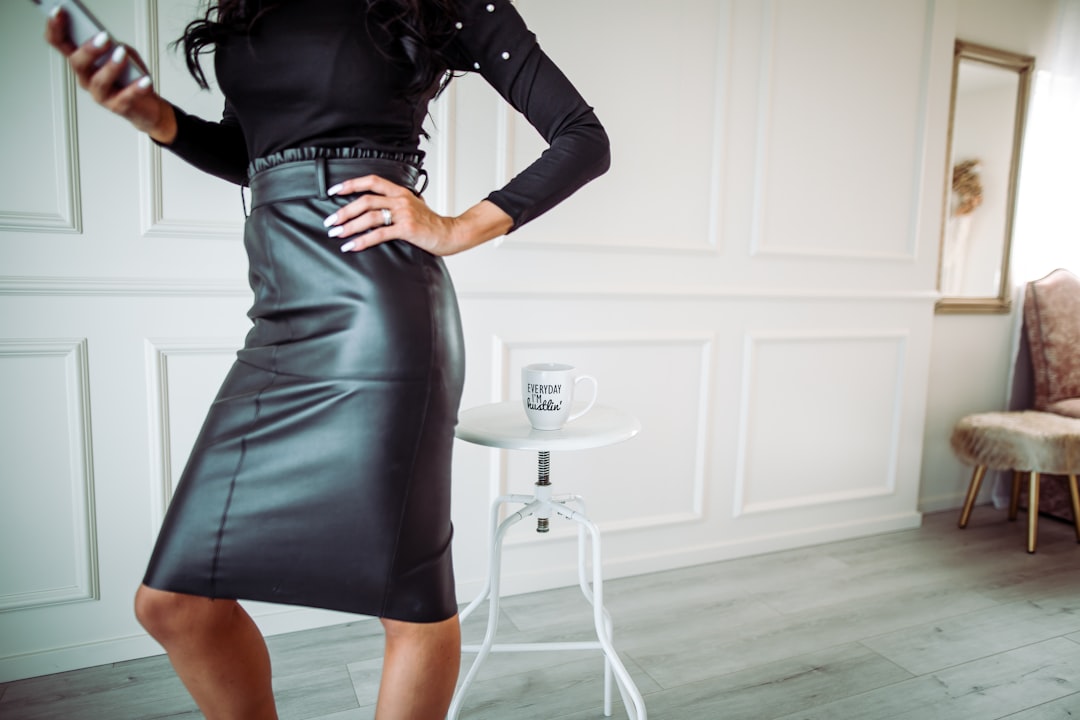
    woman in black leather long sleeve dress standing near white wall — Office Dress Code Statistics: Key Facts and Data 2026
    Photo by Khachik Simonian on Unsplash
    • 61% of employees report that their workplace has a formal or informal dress code policy (Society for Human Resource Management, 2023 Workplace Culture Survey)
    • business casual is the most common dress code in the United States, reported by approximately 40% of office workers as their everyday dress code standard
    • 74% of workers believe that a colleague’s dress significantly influences how competent they appear – even before they speak (Harris Poll for CareerBuilder, 2013)
    • 57% of employees said a dress code has a positive impact on their workplace productivity and professional mindset (CIPD, 2019)

    How Does Professional Appearance Affect Career Outcomes?

    • 41% of employers indicate that employees who dress more professionally are more likely to be promoted (CareerBuilder)
    • First impressions are formed within 7 seconds of meeting someone, with clothing as one of the dominant factors (Princeton University social cognition research)
    • Enclothed cognition: wearing formal professional attire is associated with increased abstract thinking and improved cognitive performance (Adam and Galinsky, 2012, Northwestern University)
    • 92% of hiring managers say how a candidate is dressed affects their hiring decision (National Association of Colleges and Employers)

    How Has Remote Work Changed Dress Code Expectations?

    • 55% of professionals working remotely reported dressing more casually for video calls than they would for in-person meetings (Buffer State of Remote Work survey)
    • Smart casual has become the dominant dress standard in hybrid workplaces – reported by a majority of UK and US office workers as the current norm
    • 31% of companies updated their dress code policies between 2020-2022 following the shift to hybrid work (SHRM, 2022)

    Industry Dress Code Variations

    • Financial services maintains the most formal dress standards: 78% of banking and investment professionals report business professional or business formal as the norm
    • Technology sector: only 14% of tech company workers report any formal dress code; smart casual or casual is the overwhelming standard
    • Legal sector: 69% of lawyers report business professional or business formal as their everyday standard
    • Healthcare: scrubs or uniforms in clinical settings; business casual standard in administrative healthcare roles

    Dress Code Compliance and Enforcement

    • 49% of HR managers have had to address dress code violations in their organization (SHRM)
    • The most common violations: clothing that is too casual (39%), inappropriate fit (22%), visible undergarments (18%)
    • Gender-neutral dress codes: 12% of US companies had adopted explicitly gender-neutral dress code language by 2023 (SHRM Workplace Policies Report)

    Related Articles

    Related OfficeL guide: Men’s Work Wardrobe on a Budget: How to Dress Professionally Without Spending a Lot

    Next step: Planning your interview outfit? Bookmark this guide and share it with a friend who has an interview coming up.

    Shop the Look

    Looking for dresses? Here are our top picks for the office:

    We may earn a commission from purchases made through these links at no extra cost to you. This helps us keep The Officel free.

    Get the Free Office Dress Code Cheat Sheet

    Join our newsletter and get a printable guide to every office dress code – from business formal to casual Friday.
    Download the Free Guide →


    You Might Also Like

  • How to Care for a Suit: Complete Suit Maintenance Guide

    How to Care for a Suit: Complete Suit Maintenance Guide

    How do you care for a suit properly? A quality suit is one of the most valuable professional investments you can make – but it requires proper care to maintain its appearance and extend its lifespan. With correct care, a quality suit can last 10-20 years and look professional throughout. These suit care practices are what separate suits that age beautifully from suits that deteriorate quickly.

    Quick Answer: To care for a suit, hang it after wearing, rotate between at least 2 suits, brush off lint with a clothes brush, steam rather than iron, and dry clean only when necessary (no more than 2-3 times per year). Proper care makes a suit last 10+ years.
    • How often should you dry clean a suit?
    • How to remove wrinkles from a suit without dry cleaning
    • How to store a suit properly
    • Suit brushing: why and how
    • How to extend the life of a suit jacket and trousers

    How Often Should You Dry Clean a Suit?

    a man in a hard hat and overalls standing in a hallway — How to Care for a Suit: Complete Suit Maintenance Guide
    Photo by Bagoes Ilhamy on Unsplash

    Dry clean a suit as infrequently as possible – typically 1-3 times per year at most. This counterintuitive advice is because dry cleaning, despite being the standard cleaning method, gradually breaks down suit fabric fibres over time. The more frequently you dry clean, the faster the suit ages. Between dry cleaning: (1) Air the suit after wearing (hang on a quality wooden hanger for 24 hours before returning to the wardrobe); (2) Spot clean any stains immediately with a damp cloth rather than sending the entire suit to the cleaner; (3) Use a clothes brush (see below) to remove surface dirt and lint. Reserve dry cleaning for genuine staining or when the suit has an odour that airing doesn’t resolve.

    6 Steps to Properly Care for Your Suit

    1. Hang your suit on a wide-shouldered hanger immediately after wearing
    2. Allow 24-48 hours between wears – fabric needs to recover its shape
    3. Brush with a clothes brush after each wear to remove dust and fibers
    4. Steam to remove wrinkles – avoid direct iron contact with the fabric
    5. Dry clean sparingly – maximum 2-3 times per year to preserve fabric
    6. Store in a breathable garment bag, never plastic

    How Do You Remove Wrinkles from a Suit Without Dry Cleaning?

    The most effective ways to remove suit wrinkles: (1) Steam – a clothes steamer (£30-80) is the most effective and safest method for removing wrinkles from suits; hold the steamer 5-10cm from the fabric, working in downward strokes; (2) Bathroom steam – hang the suit in a bathroom while running a hot shower; the steam relaxes wrinkles without touching the fabric; (3) Professional pressing – a good dry cleaner can press a suit without a full clean for less cost; (4) Hanging after wearing – many travel wrinkles fall out naturally if you hang the suit properly on a quality hanger. Avoid: home ironing directly on suit fabric (high heat + contact can damage wool); pressing without a pressing cloth.

    How Do You Store a Suit Properly?

    Proper suit storage: (1) Use a quality wooden or thick hanger – wire hangers distort suit shoulders permanently; the hanger should be approximately the width of your shoulders; (2) Use a suit bag for long-term storage but not for everyday storage – suits need to breathe and shouldn’t be stored sealed in plastic; (3) Allow at least 24 hours between wearings – wool needs time to recover its shape and air out; (4) Give suits space in the wardrobe – compressed suits crease; (5) Cedar shoe trees or cedar blocks in the wardrobe repel moths (a genuine risk for wool suits); (6) Don’t store suits in damp environments – dampness promotes mould and damages fabric.

    What Is Suit Brushing and Why Does It Matter?

    Suit brushing – using a quality clothes brush (natural bristle, €20-40) to brush the suit after wearing – removes surface dirt, lint, and dust before they embed into the fabric. This is one of the most effective and underused suit care practices. Brush in the direction of the fabric grain; work systematically over the jacket and trousers. Regular brushing significantly reduces the need for dry cleaning by keeping the fabric surface clean. It also revives the nap of the wool, keeping the fabric looking fresh. A quality clothes brush (Abbeyhorn, Kent, or similar) lasts a lifetime and is one of the best-value suit care investments you can make.

    Related Articles

    Related OfficeL guide: Men’s Work Wardrobe on a Budget: How to Dress Professionally Without Spending a Lot

    Next step: Want more business casual inspiration? Browse our complete workwear collection for daily office outfit ideas.

    Shop the Look

    Looking for suits, dresses and footwear? Here are our top picks for the office:

    We may earn a commission from purchases made through these links at no extra cost to you. This helps us keep The Officel free.

    Get the Free Office Dress Code Cheat Sheet

    Join our newsletter and get a printable guide to every office dress code – from business formal to casual Friday.
    Download the Free Guide →


    You Might Also Like

  • How to Shop Secondhand for Work Clothes: Thrift and Vintage Workwear Guide

    How to Shop Secondhand for Work Clothes: Thrift and Vintage Workwear Guide

    Can you build a professional work wardrobe from secondhand and thrifted clothing? Yes – and for quality professional clothing specifically, the secondhand market is excellent. Suits, blazers, wool trousers, and quality leather shoes are often available secondhand at significant discounts from their original prices, and quality professional clothing retains its professional appearance for much longer than fast fashion. This guide covers how to effectively shop secondhand for work clothes.

    • Why secondhand shopping works particularly well for professional clothing
    • Best platforms for secondhand professional clothing (online)
    • How to identify quality when shopping secondhand
    • Secondhand professional clothing categories to prioritize
    • What to avoid when buying secondhand workwear

    Why Does Secondhand Shopping Work Well for Professional Clothing?

    assorted clothes lot on gray clothes racks — How to Shop Secondhand for Work Clothes: Thrift and Vintage Workwear Guide
    Photo by Charles Etoroma on Unsplash

    Secondhand professional clothing is disproportionately good value because: (1) Quality professional clothing (suits, blazers, quality trousers) retains its appearance for 10-20+ years if well cared for – a quality suit from 5 years ago is still an excellent quality suit; (2) Classic professional styles (navy suits, grey trousers, white shirts) never go significantly out of fashion; (3) Original prices for quality professional clothing are high (a good suit costs $300-1000+ new), meaning the secondhand discount is substantial; (4) The market for secondhand professional clothing is less competitive than streetwear or designer casual, meaning better deals are available; (5) Tailoring can fix most fit issues, meaning near-fit secondhand pieces can become perfectly-fitting garments.

    Which Platforms Are Best for Secondhand Professional Clothing?

    Top secondhand and resale platforms for professional clothing: (1) eBay – the deepest market for secondhand professional clothing; quality suits, blazers, and shoes available from individuals and specialist sellers; (2) Vinted – popular in Europe for secondhand fashion including professional clothing; (3) Depop – skews toward fashion, but good for quality brands at accessible prices; (4) ThredUp (US) – quality curated secondhand women’s professional clothing; (5) The RealReal (US) – luxury secondhand including designer professional pieces; (6) Local charity shops (UK) and thrift stores (US) – excellent for unknown quality finds; (7) Suits (UK) – specialist secondhand suit retailers. Search specifically for brand names (Reiss, Ted Baker, J.Crew, M&S, ASOS premium) rather than generic searches.

    How to Identify Quality in Secondhand Professional Clothing

    Quality indicators to look for when buying secondhand professional clothing: (1) Natural fibres – check the label; 100% wool, wool blend, 100% cotton, linen, silk are quality markers; polyester-heavy blends age less well; (2) Stitching quality – neat, even stitching; any loose threads or pilling that isn’t from use suggests lower quality original construction; (3) Hardware quality – buttons should be natural materials (horn, shell) or high-quality plastic, not lightweight plastic; (4) Lining quality – quality suits and blazers have full or half linings in quality fabric; (5) Brand research – learn which brands produce quality at their price point and search for those specifically.

    Related Articles

    Related OfficeL guide: Men’s Work Wardrobe on a Budget: How to Dress Professionally Without Spending a Lot

    Next step: Want more business casual inspiration? Browse our complete workwear collection for daily office outfit ideas.

    Shop the Look

    Looking for suits, outerwear and dresses? Here are our top picks for the office:

    We may earn a commission from purchases made through these links at no extra cost to you. This helps us keep The Officel free.

    Get the Free Office Dress Code Cheat Sheet

    Join our newsletter and get a printable guide to every office dress code – from business formal to casual Friday.

    Download the Free Guide →


    You Might Also Like

  • Sustainable Professional Clothing: Ethical Workwear Brands Guide

    Sustainable Professional Clothing: Ethical Workwear Brands Guide

    What are the best sustainable professional clothing brands? Growing awareness of fashion’s environmental and ethical impact has created significant demand for workwear that is professional, well-made, and responsibly produced. This guide covers the best sustainable workwear brands across price points – from accessible sustainable basics to premium investment pieces.

    • What makes professional clothing sustainable?
    • Best sustainable workwear brands for women
    • Best sustainable workwear brands for men
    • Sustainable professional clothing at different price points
    • The sustainability benefit of buying quality over quantity

    What Makes Professional Clothing Sustainable?

    assorted clothes lot on gray clothes racks — Sustainable Professional Clothing: Ethical Workwear Brands Guide
    Photo by Charles Etoroma on Unsplash

    Sustainable professional clothing combines several factors: responsible material sourcing (organic cotton, recycled fabrics, certified wool, natural linen); fair labor practices (certified factories, fair wages, safe conditions); durable construction (quality manufacturing that extends product lifespan); and timeless design (classic cuts that remain professional for years rather than fast-fashion seasonal trends). No single certification covers all of these – look for combinations of GOTS (organic textiles), B Corp, Fair Trade, or bluesign certifications alongside credible supply chain transparency. “Sustainable” marketing claims without certification evidence should be scrutinized.

    Which Sustainable Workwear Brands Are Best for Women?

    Top sustainable professional clothing brands for women: (1) Eileen Fisher – US brand specializing in simple, elegant professional pieces; certified B Corp, focused on organic and sustainable materials; excellent quality and longevity; (2) Patagonia – known for outdoor wear but their workwear range is professional and highly sustainable; strong environmental credentials and fair trade certification; (3) Veja – French brand making quality professional footwear with transparent sustainability credentials; (4) Thought Clothing (UK) – sustainable fabrics (bamboo, organic cotton), quality professional basics; (5) People Tree – pioneer of fair trade fashion, quality professional pieces at accessible prices. These brands prioritize both quality and transparency.

    Which Sustainable Workwear Brands Are Best for Men?

    Top sustainable professional clothing brands for men: (1) Patagonia – excellent sustainable workwear (including suits and dress shirts in recycled materials); (2) Organic Basics – quality sustainable basics (t-shirts, underwear, base layers) in organic and recycled materials; (3) Veja – quality professional footwear with certified sustainable supply chain; (4) Gant Rugger (sustainable line) – quality professional clothing with improving sustainability credentials; (5) Finisterre (UK) – quality merino knitwear and professional pieces with strong sustainability focus; (6) Kotn – quality Egyptian cotton clothing with certified fair supply chain. Quality investment in these brands typically outperforms fast fashion over 3-5 years of use.

    What Is the Most Sustainable Professional Wardrobe Strategy?

    The most environmentally sustainable professional wardrobe approach: buy fewer, better-quality pieces that last significantly longer. A quality wool blazer worn 200 times over 10 years has a dramatically lower carbon footprint per wear than three cheaper blazers replaced every 2-3 years. Quality natural fibres (wool, cotton, linen, silk) are both more professional and more sustainable than synthetic alternatives. Secondhand quality professional clothing (from Vinted, eBay, or specialist secondhand retailers) has the lowest environmental footprint of all – and quality professional clothing retains its appearance much longer than fast fashion. The quality-durability-sustainability triangle all point toward the same choice.

    Related Articles

    Next step: Want more business casual inspiration? Browse our complete workwear collection for daily office outfit ideas.

    Shop the Look

    Looking for outerwear, dresses and suits? Here are our top picks for the office:

    We may earn a commission from purchases made through these links at no extra cost to you. This helps us keep The Officel free.

    Get the Free Office Dress Code Cheat Sheet

    Join our newsletter and get a printable guide to every office dress code – from business formal to casual Friday.

    Download the Free Guide →


    You Might Also Like

  • Dress Code for Career Changers: New Industry Guide

    Dress Code for Career Changers: New Industry Guide

    Quick answer: This guide explains dress code for career changers: new industry guide in plain language, with practical examples and clear next steps.

    What should you wear when changing careers or switching industries? Career changers face a unique professional dress challenge: your current wardrobe may be perfectly calibrated for your old industry but wrong for your new one. Moving from law to tech, from banking to a startup, or from a corporate environment to a creative agency requires understanding – and adapting to – your new industry’s dress culture. Here is how to navigate that transition. For more on this, see our guide to Office Dress Code by Industry: What to Wear in Finance, Tech, Law, and More.

    • Why your dress code needs to change with your industry
    • Moving from formal to casual (finance to tech, law to startup)
    • Moving from casual to formal (tech to consulting, startup to corporate)
    • Dress code research before starting in a new industry
    • Building a wardrobe for a new industry on a budget

    Why Does Your Dress Code Need to Change When You Change Industries?

    Different industries have genuinely different dress cultures that signal group membership, cultural alignment, and professional understanding. Showing up to your first week at a tech startup in a full suit signals that you don’t understand (or haven’t adapted to) the new culture – a form of professional tone-deafness. Conversely, arriving at a law firm or bank wearing startup casual signals the same thing in the opposite direction. In both cases, being significantly out of step with your new industry’s dress culture creates an unnecessary negative first impression when you’re already navigating the challenges of being new. Adapting your dress to your new industry is an investment in cultural integration.

    How Do You Dress When Moving from Formal to Casual Industries?

    Finance-to-tech or law-to-startup dress transition: (1) You don’t need to sell your formal wardrobe – you need quality casual pieces that match the new culture; (2) Start from your best smart casual pieces and add: quality dark jeans, quality t-shirts (plain, good fit, quality brand), quality casual shirts (chambray, flannel), quality leather or suede sneakers; (3) Wear smart casual in your first weeks while you observe the actual dress standard – then calibrate downward if needed; (4) The trap to avoid: dressing too formally in your new casual environment reads as being unable to adapt; (5) Quality matters even in casual dress – quality casual clothing signals you’ve put thought into your presentation even without formality.

    How Do You Dress When Moving from Casual to Formal Industries?

    Tech-to-consulting or startup-to-banking dress transition: this direction requires investment in formal professional clothing if your current wardrobe is casual-focused. Priority purchases: (1) At least one quality navy or charcoal suit; (2) 3-4 quality formal dress shirts (white + light blue + pale pink or grey); (3) Quality leather Oxford or Derby shoes in black or dark brown; (4) A leather belt matching the shoes; (5) 2-3 quality formal ties (if the new environment requires them). Build the formal wardrobe over 2-3 weeks before starting – arriving in casual clothes to a formal environment creates the same negative impression as the reverse.

    Related Articles

    Related OfficeL guide: Men’s Work Wardrobe on a Budget: How to Dress Professionally Without Spending a Lot

    Next step: Want more business casual inspiration? Browse our complete workwear collection for daily office outfit ideas.

    Shop the Look

    Looking for dresses, footwear and suits? Here are our top picks for the office:

    We may earn a commission from purchases made through these links at no extra cost to you. This helps us keep The Officel free.

    Get the Free Office Dress Code Cheat Sheet

    Join our newsletter and get a printable guide to every office dress code – from business formal to casual Friday.
    Download the Free Guide →


    You Might Also Like

  • How to Dress for a Promotion: Professional Dress and Career Advancement

    How to Dress for a Promotion: Professional Dress and Career Advancement

    Does how you dress affect your chances of promotion? Research and career advice consistently point to the same answer: yes – professional appearance is a factor in how managers and senior leaders perceive competence, readiness for advancement, and cultural fit at senior levels. This guide covers the practical dress strategies that support career progression.

    Quick Answer: To dress for a promotion, start dressing like the level above your current role. Wear more structured clothing, invest in one quality blazer, upgrade your shoes, and ensure your grooming is polished. First impressions happen before you speak.
    • The “dress for the job you want” principle explained
    • How professional dress affects senior perception
    • What to wear when you want to be noticed for promotion
    • Dress code mistakes that hold careers back
    • How dress standards change with seniority

    What Does “Dress for the Job You Want” Actually Mean?

    “Dress for the job you want” is advice that is partially correct and frequently misunderstood. The principle: your dress should signal that you belong at the next level up, not just your current level. In practice, this means: observing how the people one or two levels above you dress and aligning with those standards rather than dressing exactly like your current peers. If your current team is business casual but the management layer is business professional, calibrating toward business professional signals readiness for that level. The key caveat: this only works if the quality, fit, and appropriateness is genuinely good – wearing a suit if no one at any level in your company wears suits signals misalignment, not ambition.

    5 Steps to Dress for Your Next Promotion

    1. Study how people one level above you dress and adopt their style
    2. Invest in a quality blazer – it instantly elevates any outfit
    3. Upgrade your footwear – shoes are the first thing senior colleagues notice
    4. Ensure fit is perfect – tailored clothing reads as leadership-ready
    5. Keep grooming immaculate – hair, nails, and fragrance matter

    How Does Professional Dress Affect Senior Perception?

    Research on workplace perception and career advancement consistently shows that professionals who maintain higher dress standards than their immediate peers tend to be perceived as more senior, more competent, and more ready for leadership than their actual role suggests. This occurs because senior managers use visible signals (including dress) to make rapid assessments of who is ready for more responsibility. The mechanism: consistent professional dress signals self-discipline, awareness of professional standards, and respect for the organization. These are qualities valued in managers and leaders – and visible dress quality is a proxy signal for them.

    What Should You Wear When You Want to Get Promoted?

    Practical dress strategy for promotion-seekers: (1) Calibrate to one level above your current peer group, not dramatically above (overshoot looks like misalignment); (2) Maintain the elevated standard consistently – sporadic dressing well for important meetings signals awareness rather than genuine standard; (3) Invest in quality over quantity – one excellent blazer worn regularly does more for perception than five mediocre ones worn occasionally; (4) Pay special attention to occasions where senior leaders are present – these are the moments when assessment happens; (5) Ensure grooming and maintenance standards match your clothing standard – polished clothing with poor grooming maintenance is incoherent professionally.

    What Dress Code Mistakes Hold Careers Back?

    Dress mistakes that create negative perception at the senior level: (1) Consistently casual dress in environments where the next level up dresses more professionally; (2) Visible maintenance failures (worn shoes, pilled knitwear, wrinkled shirts) that suggest carelessness about detail; (3) Trend-chasing that prioritizes fashion over appropriateness – very trendy, non-professional pieces in a conservative organization signal immaturity; (4) Dress that signals misunderstanding of the culture – being overly formal in a casual tech company or too casual in a formal finance environment both signal poor cultural reading; (5) Not updating dress as you advance – continuing to dress at the level of your first job when three promotions have elapsed.

    Related Articles

    Related OfficeL guide: Men’s Work Wardrobe on a Budget: How to Dress Professionally Without Spending a Lot

    Next step: Planning your interview outfit? Bookmark this guide and share it with a friend who has an interview coming up.

    Shop the Look

    Looking for dresses, footwear and outerwear? Here are our top picks for the office:

    We may earn a commission from purchases made through these links at no extra cost to you. This helps us keep The Officel free.

    Get the Free Office Dress Code Cheat Sheet

    Join our newsletter and get a printable guide to every office dress code – from business formal to casual Friday.
    Download the Free Guide →


    You Might Also Like

  • The Psychology of Professional Dress: How Clothes Affect Performance

    The Psychology of Professional Dress: How Clothes Affect Performance

    Does what you wear to work actually affect how you perform and how others see you? The answer is a clear yes – and the research on this is more robust than most people realize. Understanding the psychology of professional dress helps explain why investing in how you dress matters beyond simply following rules. This guide covers the key research findings and their practical implications.

    • The enclothed cognition effect: how clothes affect thinking
    • First impressions and professional dress: what research shows
    • How dress affects others’ perception of your competence
    • The confidence effect: dressing well as self-signaling
    • Practical implications for professional dress decisions

    What Is the Enclothed Cognition Effect?

    Enclothed cognition is the documented psychological phenomenon where the symbolic meaning and physical experience of clothing influences cognitive performance. A landmark 2012 study by Adam and Galinsky (Northwestern University) found that people who wore a doctor’s lab coat while performing cognitive tasks performed significantly better than those who wore the same coat described as a “painter’s coat” – despite wearing identical clothing. The symbolic meaning of the clothing (professional competence, precision) influenced cognitive function. For professional dress: wearing clothing associated with competence and professionalism can genuinely activate the mindset associated with those qualities.

    What Does Research Show About First Impressions and Professional Dress?

    Research consistently shows that first impressions are formed within milliseconds and that appearance plays a major role in those initial assessments. Key findings: a 2011 study found that judgments of competence, dominance, and warmth were made reliably from brief exposure to professional headshots; studies on hiring decisions show that candidates whose dress code matches the interviewer’s expectations of the role are rated more favorably; research on salary negotiations shows that perceptions of how professional someone looks correlates with the offers they receive. These effects operate at a largely unconscious level in observers – professional dress creates impressions without observers necessarily being aware they’re responding to clothing. For more on this, see our guide to Professional Dress Code Checklist: Pre-Work Outfit Guide.

    How Does Professional Dress Affect Others’ Perception of Competence?

    Studies on professional dress and perceived competence consistently show that more formal dress (within appropriate contexts) correlates with higher perceived competence, authority, and trustworthiness. A University of Southern Mississippi study found that doctors who wore formal attire (white coat + professional dress) were rated more knowledgeable and trustworthy than those in casual dress, even when giving identical medical advice. For client-facing professionals: appearing visibly professional correlates with being trusted more, believed more, and given more authority. This is one reason why financial advisors, lawyers, and senior executives typically maintain high dress standards.

    How Does Dressing Well Affect Your Own Confidence?

    Professional dress functions as self-signaling: what you wear sends a message to your own brain about who you are in this moment. Research suggests that deliberately wearing clothing you associate with competence and authority activates the mental state associated with those qualities. Practical evidence: people who maintain professional dress standards consistently (not just on important days) report more consistent focus and professional confidence; people who dress down significantly on low-stakes days report finding it harder to shift to high-performance mode when needed. The routine of deliberate professional dress is a cognitive ritual as much as a social one.

    Related Articles

    Related OfficeL guide: Men’s Work Wardrobe on a Budget: How to Dress Professionally Without Spending a Lot

    Next step: Planning your interview outfit? Bookmark this guide and share it with a friend who has an interview coming up.

    Shop the Look

    Looking for dresses and accessories? Here are our top picks for the office:

    We may earn a commission from purchases made through these links at no extra cost to you. This helps us keep The Officel free.

    Get the Free Office Dress Code Cheat Sheet

    Join our newsletter and get a printable guide to every office dress code – from business formal to casual Friday.
    Download the Free Guide →


    You Might Also Like

  • Men’s Business Casual for Different Body Types: Outfit Tips

    Men’s Business Casual for Different Body Types: Outfit Tips

    Business casual for men fall? This guide updates men’s business casual for different body types: outfit tips to match high-intent search phrasing discovered from YouTube autocomplete and public question research.

    How should men of different body types dress for business casual? Professional dress for men follows the same fundamental principle regardless of body type: fit is the most important factor. But what “good fit” means varies by body type, and different cuts and styles flatter different proportions. These outfit tips are specifically designed for the four most common male body type challenges in professional dress.

    • Business casual for tall men: proportion and fit tips
    • Business casual for shorter men: elongating principles
    • Business casual for slim and athletic men
    • Business casual for larger and fuller-figured men

    What Are the Best Business Casual Outfit Tips for Tall Men?

    Business casual principles for tall men: (1) You have more latitude with patterns and scale – larger-scale patterns (broader stripes, larger checks) that overwhelm shorter frames work proportionally on tall men; (2) Wide-leg and fuller-cut trousers are proportional on tall frames – slim cuts can look disproportionate on very long legs; (3) Layering works especially well – tall men can carry multiple layers (shirt + waistcoat + blazer) that overwhelm shorter frames; (4) The key challenge is finding clothes that are long enough – look for brands with tall ranges (L/XL in sleeve length, 34+ inseam); (5) Quality heavyweight fabrics work well on tall frames – they have the height to carry them.

    What Are the Best Business Casual Tips for Shorter Men?

    Business casual principles for shorter men: (1) Slim and tapered cuts elongate – avoid very wide-leg or baggy trousers; (2) Monochromatic dressing (same tone throughout) creates the appearance of height – navy blazer + navy trousers is more elongating than a navy blazer + tan chinos; (3) A higher trouser rise (mid-to-high waist) creates a longer leg line; (4) Avoid very long jacket or blazer lengths – a shorter-cut blazer that hits at the hip creates better proportion; (5) Avoid very large patterns, large plaids, or horizontal stripes that emphasize width over height; (6) Matching shoe color to trouser color creates a continuous leg line. Shorter men often find their best professional clothes in fitted ranges rather than “regular” cuts.

    What Are the Best Business Casual Outfit Tips for Slim Men?

    Business casual for slim and slim-athletic men: (1) Well-fitted is very different from too tight – slim men should aim for clothes that skim the body without clinging; (2) Structured pieces (blazers with a little shoulder structure) add visual width to narrow shoulders; (3) Layering creates visual depth – wearing a quality crewneck under a blazer adds visual bulk without looking heavy; (4) Horizontal elements (breast pockets, subtle horizontal patterns) add visual width; (5) Fitted cuts are appropriate, but avoid very tight clothing that reveals too much body. The slim professional advantage: quality tailored clothing looks excellent on lean frames.

    What Are the Best Business Casual Tips for Larger Men?

    Business casual for larger and fuller-figured men: (1) Fit above everything – poorly fitted oversized clothing looks worse than well-fitted clothing in a larger size; buy for the largest measurement and tailor where needed; (2) Dark, solid colors in the torso create a slimmer visual profile; (3) Vertical lines (pinstripes, vertical seaming) elongate; (4) Avoid very wide lapels and very large patterns that add visual bulk; (5) A quality structured blazer creates a clean shoulder line that improves overall proportion; (6) Quality fabrics that drape rather than cling look better at every size. The key: invest in a good tailor rather than buying increasingly baggy clothing as a solution to fit challenges.

    Related Articles

    Related OfficeL guide: Men’s Work Wardrobe on a Budget: How to Dress Professionally Without Spending a Lot

    Next step: Want more business casual inspiration? Browse our complete workwear collection for daily office outfit ideas.

    Shop the Look

    Looking for outerwear, dresses and bottoms? Here are our top picks for the office:

    We may earn a commission from purchases made through these links at no extra cost to you. This helps us keep The Officel free.

    Get the Free Office Dress Code Cheat Sheet

    Join our newsletter and get a printable guide to every office dress code – from business formal to casual Friday.

    Download the Free Guide →


    You Might Also Like